
MUD TESTING EQUIPMENT
For years, Inmotion Energy has supplied
precision instruments and drilling tools for
testing drilling fluids, well cements, and
completion fluids.
From our Bangalore facility, we provide
customers across India and the Middle East
with quality products and exceptional
service.
INDUSTRIES WE SERVE
— Onshore & offshore drilling contractors
— National & independent oil companies
— Mud engineering & testing laboratories
— Well completion & workover operations
WHY CHOOSE US
— Rigorous quality control on every unit
— Fast turnaround on spares &
replacements
— Field-tested designs, built for uptime
INMOTION ENERGY (OPC) PRIVATE LIMITED
- 186, 1st Main Road, Vijaya Bank Layout, Bilekahalli, Bangalore, Karnataka – 560076
- Phone: +91 96637 44619
- info@inmotionenergy.in
- imotion.in
PRODUCT SPECIFICATION — High-Shear Mud Mixer
Model: IM-HSM-GJ3S Compliance / target standard: API Spec 13A / Clay Mixing
High-Shear Mud Mixer
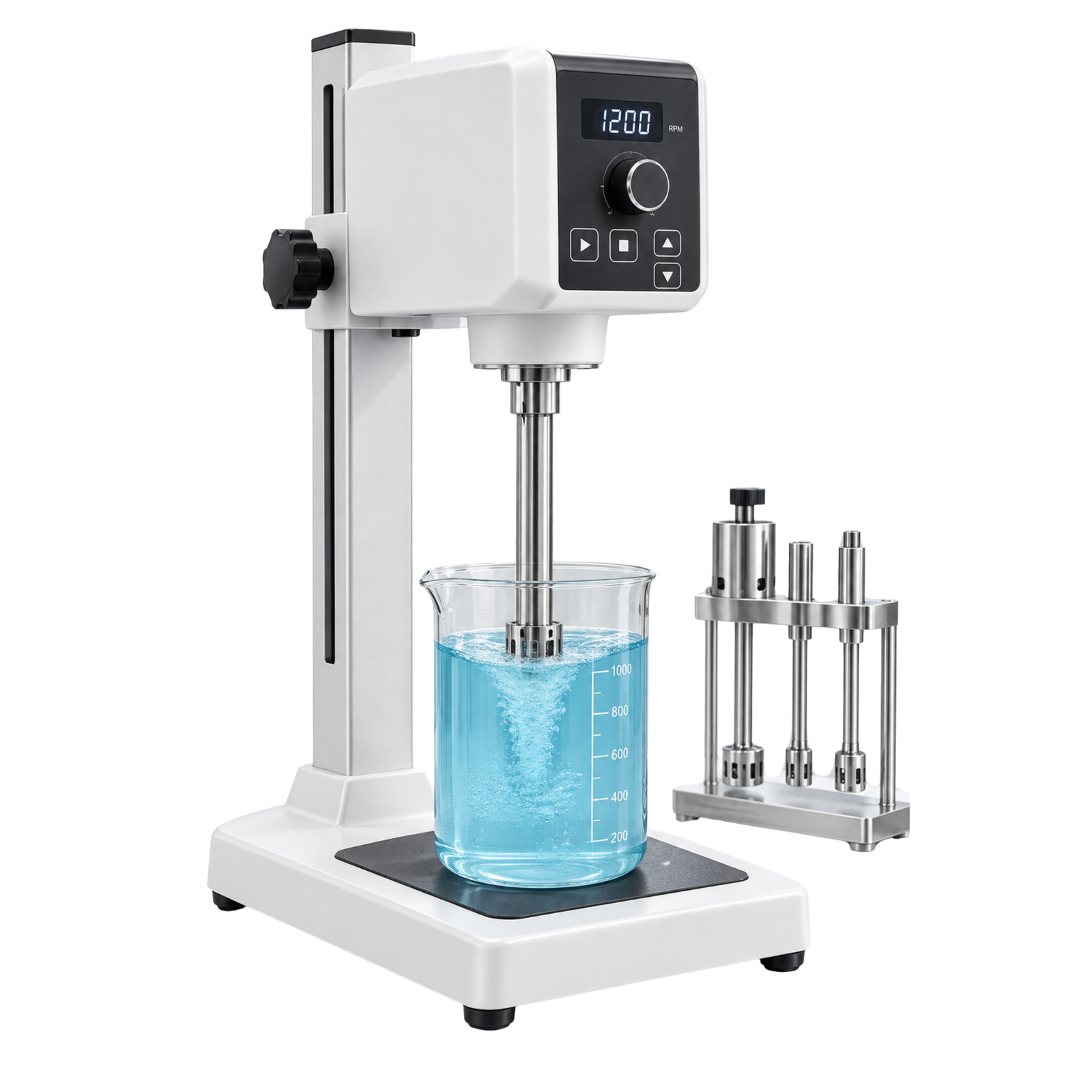
Figure 15. Reference photograph of the High-Shear Mud Mixer in use. Components are listed on page 2.
Intended applications
• Preparing bentonite suspensions for yield and viscosity tests per API Spec 13A.
• Mixing laboratory mud formulations and testing additives.
• Shearing samples to restore properties before testing.
• Preparing pre-hydrated slurries for filtration and rheology tests.
FEATURES
• High-speed motor with stepped or continuous speed control.
• Standard single-fluted impeller and stainless steel mixing cup.
• Stable column-mounted head with cup platform.
• Timer and switch for repeatable mixing times.
• Easily removable cup for cleaning.
TECHNICAL SPECIFICATIONS
| No-load speed | About 11,000 rpm (typical for API mixers) |
| Impeller | Single-fluted stainless steel blade |
| Mixing cup | Stainless steel, about 1 L capacity (typical) |
| Typical batch | 350 mL water + 22.5 g clay for bentonite test |
| Mixing time | About 20 minutes with scraping every 5 minutes |
| Speed control | Switch or dial |
| Construction | Motor head on column with base |
Main components (see Figure 1)
| No. | Component |
| 1 | Motor head |
| 2 | Speed control knob |
| 3 | Support column |
| 4 | Shaft and impeller |
| 5 | Mixing cup |
| 6 | Base |
Principle of operation
Basic operating procedure
1. Measure the specified volume of water into the clean mixing cup.
2. Attach the cup to the mixer and start at low speed.
3. Add the clay or additive slowly while mixing to avoid lumps.
4. Mix for the specified time, stopping periodically to scrape the cup wall and base.
5. Stop, remove the cup and record the temperature.
6. Pour the sample into a container for testing, then clean the cup and impeller immediately.
Calibration and maintenance
• Check impeller wear and replace when the blade is worn.
• Inspect motor brushes and bearings according to the manual.
• Verify speed periodically with a tachometer.
• Clean thoroughly after use; do not let mud dry on the shaft.
Safety precautions
• Never touch the impeller while the motor is running; disconnect power when cleaning.
• Use a cup guard or shield; secure the cup before starting.
• Wear eye protection to guard against splashes.
Reference sources
• API Spec 13A / ISO 13500, Drilling Fluid Materials (bentonite tests and mixer requirements)
• API RP 13B-1 / ISO 10414-1, Field Testing of Water-Based Drilling Fluids (mixing and sample preparation)
• OFITE and Fann high-speed mixer product literature