
MUD TESTING EQUIPMENT
For years, Inmotion Energy has supplied
precision instruments and drilling tools for
testing drilling fluids, well cements, and
completion fluids.
From our Bangalore facility, we provide
customers across India and the Middle East
with quality products and exceptional
service.
INDUSTRIES WE SERVE
— Onshore & offshore drilling contractors
— National & independent oil companies
— Mud engineering & testing laboratories
— Well completion & workover operations
WHY CHOOSE US
— Rigorous quality control on every unit
— Fast turnaround on spares &
replacements
— Field-tested designs, built for uptime
INMOTION ENERGY (OPC) PRIVATE LIMITED
- 186, 1st Main Road, Vijaya Bank Layout, Bilekahalli, Bangalore, Karnataka – 560076
- Phone: +91 96637 44619
- info@inmotionenergy.in
- imotion.in
PRODUCT SPECIFICATION — Wet Sieve Analysis Kit
Model: IM-WSA-SSH1 Compliance / target standard: ASTM E11 / Particle Size
Wet Sieve Analysis Kit
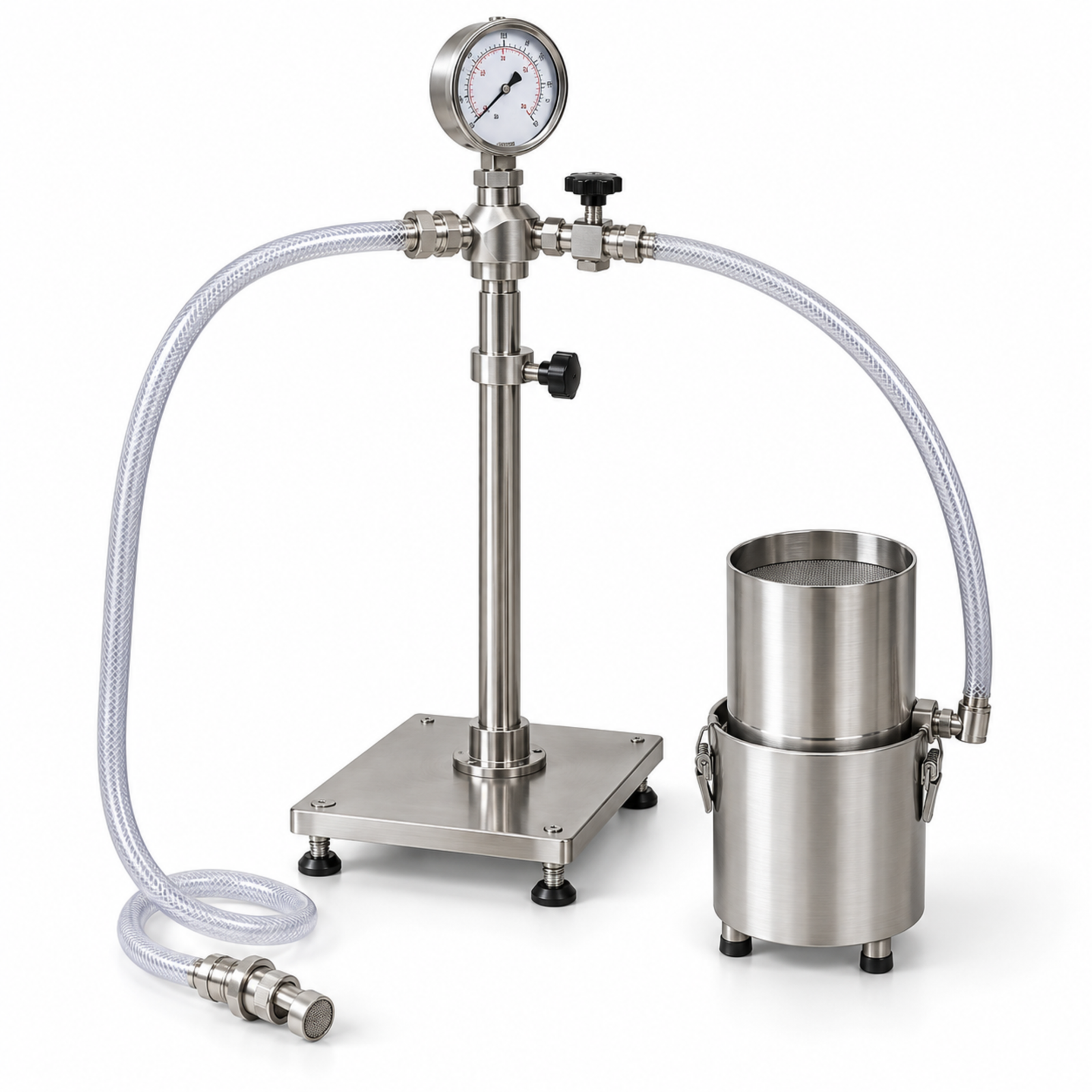
Figure 6. Wet Sieve Analysis Kit (reference photograph). Components are listed on page 2.
Intended applications
• Measuring the volume percent of sand (particles above about 75 micron) in water-based and oil-based muds.
• Checking the performance of shale shakers, desanders and desilters.
• Detecting drilled solids build-up in the circulating system.
• Wet sieve checks of powdered materials in the laboratory.
FEATURES
• No. 200 sieve, 63.5 mm (2.5 in) diameter, stainless mesh in a plastic or metal frame.
• Glass measuring tube graduated 0-20 % (typical) with ‘mud’ and ‘water’ fill marks.
• Funnel sized to fit both sieve and tube.
• Wash bottle for controlled rinsing.
• Compact kit suitable for rig-site use.
TECHNICAL SPECIFICATIONS
| Sieve Designation | No. 200 (75 micron nominal per ASTM E11; often quoted as 74 micron) |
| Sieve Diameter | 63.5 mm (2.5 in) |
| Measuring Tube Range | 0-20 % by volume (typical) |
| Sample Volume | Mud to the 'mud' mark, then water to the second mark |
| Reported Result | Sand content, % by volume |
| Wash Liquid | Water (water-based mud) or base oil (oil-based mud) |
| Materials | Stainless mesh; borosilicate / plastic tube |
Main components (see Figure 6)
| No. | Component |
| 1 | 200-mesh sieve |
| 2 | Graduated sand-content tube |
| 3 | Funnel |
| 4 | Wash bottle |
| 5 | Case / tray |
Principle of operation
Basic operating procedure
1. Fill the glass tube with mud to the ‘mud to here’ mark.
2. Add water (or base oil for oil mud) to the next mark, close the tube and shake vigorously.
3. Pour the mixture onto the clean, wetted 200-mesh sieve; discard the liquid passing through.
4. Add more water to the tube, shake and pour again until the tube is clean.
5. Wash the retained solids thoroughly with a gentle stream until the water runs clear.
6. Fit the funnel upside down over the sieve, invert onto the tube, wash the sand into the tube, let it settle and
read the percentage.
Calibration and maintenance
• Inspect the mesh for tears and blocked openings; clean with a soft brush, never with a needle.
• Check sieve aperture periodically against a calibrated test sieve.
• Rinse all parts and dry after use.
• Replace cracked or scratched glass tubes.
Safety precautions
• Handle glassware carefully to avoid breakage.
• Use gloves when testing oil-based fluids; dispose of base oil correctly.
• Avoid inhaling dust when drying and handling powdered samples.
Reference sources
• API RP 13B-1 / ISO 10414-1, Field Testing of Water-Based Drilling Fluids (sand content)
• ASTM E11, Standard Specification for Woven Wire Test Sieve Cloth and Test Sieves
• OFITE sand content kit product literature